
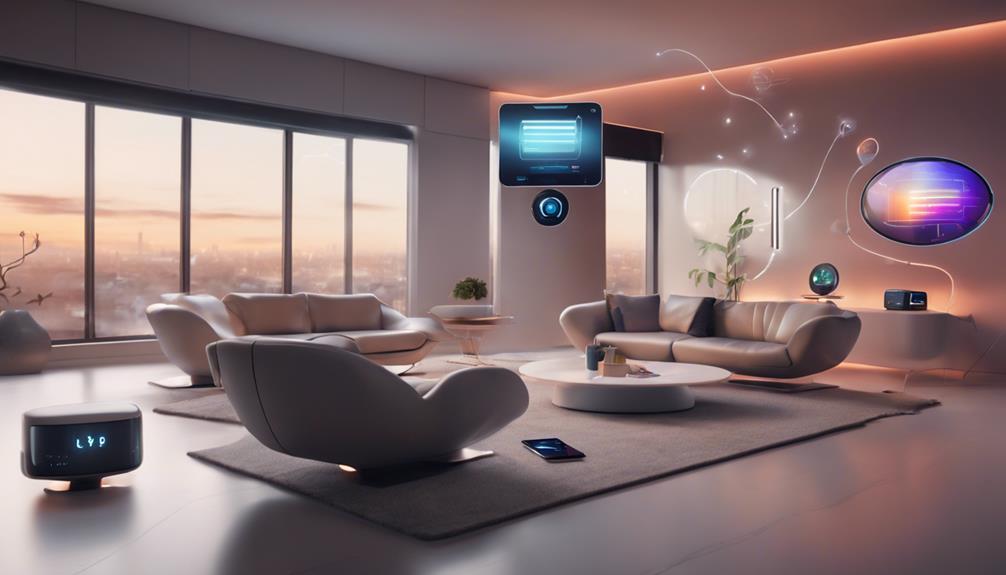
The Internet of Things (IoT) is revolutionizing the smart home of tomorrow, transforming it into a highly automated, intelligent living space. It integrates various devices and technologies, adapting to individual habits and needs for improved comfort and convenience. With IoT, smart homes become energy-efficient through automated climate control and real-time monitoring, and advanced security systems detect threats and respond accordingly. Voice control and predictive maintenance also become key features, making life easier for homeowners. As IoT continues to progress, the possibilities for smart homes are limitless, and the future of home living is about to undergo a dramatic shift.
The Future of Smart Homes
The future of smart homes is swiftly taking shape, and it's set to transform the way we live and interact with our living spaces. As technology advances, smart homes are becoming more sophisticated, offering residents a seamless and intuitive experience. One key aspect of this evolution is the integration of customized user preferences. With the help of artificial intelligence and machine learning algorithms, smart homes can now learn and adapt to an individual's habits and needs, providing personalized experiences that bolster comfort and convenience.
Another significant development in the future of smart homes is the emergence of proactive home diagnostics. This feature enables smart homes to detect potential issues and maintenance needs before they become major problems. By continuously monitoring and analyzing various aspects of the home, such as energy usage and system performance, proactive home diagnostics can help prevent costly repairs and guarantee a safer living environment. As smart home technology continues to advance, it's clear that the future of residential living will be shaped by innovative solutions that prioritize convenience, efficiency, and well-being. These advancements are poised to revolutionize the way we live and interact with our homes.
IoT in Home Automation Systems
As smart homes become increasingly sophisticated, IoT technology plays a pivotal role in home automation systems. It enables seamless smart home device connectivity, allowing various devices to communicate and interact with each other. This connectivity creates a cohesive ecosystem where devices can be controlled remotely using a single interface, making it easier for homeowners to manage their living spaces.
IoT technology also facilitates increased home data collection, providing valuable insights into energy usage patterns, occupant behavior, and system performance. This data can be used to optimize home automation systems, ensuring they operate efficiently and effectively. Additionally, data analytics can help identify potential issues before they become major problems, enabling proactive maintenance and reducing downtime.
The integration of IoT in home automation systems has transformed the way people live and interact with their homes. It offers a new level of convenience, comfort, and control, making smart homes more appealing to homeowners. Furthermore, as IoT technology continues to evolve, it's expected to play an even more significant role in shaping the future of home automation systems.
Enhancing Energy Efficiency

IoT's impact on home automation systems goes hand in hand with its potential to bolster energy efficiency. By integrating various devices and systems, homeowners can create a smart home that maximizes energy consumption. This is achieved through ideal energy planning, which takes into account the household's energy usage patterns and preferences.
Some key features of IoT-enabled energy efficiency in smart homes include:
- Automated climate control: Smart thermostats can learn a household's schedule and preferences to adjust the temperature accordingly, reducing energy waste and optimizing heating and cooling.
- Energy usage monitoring: IoT devices can track energy consumption in real-time, providing homeowners with valuable insights to make data-driven decisions about their energy usage.
- Smart lighting and appliances: IoT-enabled lighting and appliances can be programmed to turn off when not in use, reducing standby power consumption and minimizing energy waste.
Smart Security and Safety
Smart homes are increasingly adopting advanced security measures to protect residents and their property. Advanced intrusion detection systems, for instance, can identify and alert homeowners to potential threats, giving them an early warning to take action. These systems often work in tandem with automated emergency response protocols, which can quickly notify authorities in the event of a security breach.
Advanced Intrusion Detection
Advanced intrusion detection systems are the cornerstone of modern smart home security, leveraging state-of-the-art technologies to safeguard homes and families. They utilize intelligent motion sensors to detect even the slightest movements, alerting homeowners to potential threats. These sensors work in tandem with automated threat assessment systems to quickly identify and classify threats, ensuring a rapid and effective response.
Some key features of advanced intrusion detection systems include:
- *Real-time monitoring and alerts*: Homeowners receive immediate notifications of potential threats, allowing them to take swift action to protect their homes and families.
- *Advanced sensor technology*: Intelligent motion sensors and other sophisticated sensors work together to detect and classify threats, reducing false alarms and ensuring accurate threat assessment.
- *Integration with other smart home systems*: Advanced intrusion detection systems can integrate with other smart home systems, such as lighting and security cameras, to create a seamless and extensive security solution.
Automated Emergency Response
In the event of an intrusion or other emergency, timely and effective response is imperative to minimizing risks and ensuring the safety of homeowners and their families. Automated emergency response, a key component of smart home security systems, can provide this critical response. By integrating various sensors and devices, smart homes can quickly detect potential threats and alert homeowners and authorities in real time.
Real-time emergency alerts can be sent to homeowners' smartphones or tablets, allowing them to respond immediately to emergencies. Additionally, smart home systems can be integrated with emergency services, such as police and fire departments, to guarantee a rapid response. Proactive medical monitoring is also a feature of some smart home systems, which can detect potential health risks and notify medical professionals.
In the event of a medical emergency, automated emergency response systems can dispatch medical personnel and provide critical information about the homeowner's condition. This can significantly improve response times and outcomes. With automated emergency response, smart home owners can have peace of mind knowing that their homes are equipped to respond quickly and effectively in the event of an emergency.
Voice Controlled Homes

As technology continues to weave itself throughout our daily lives, a growing trend is making it easier to manage our homes without having to lift a finger – literally. Voice controlled homes are revolutionizing the way people interact with their living spaces. With the help of virtual assistants like Alexa, Google Assistant, and Siri, homeowners can control various aspects of their homes using just their voice.
Voice controlled homes offer hands-free control, allowing users to adjust lighting, temperature, and entertainment systems without having to physically touch a device. This technology equally enables personalized preferences, tailoring the home environment to individual needs and tastes. Some of the key features of voice controlled homes include:
- Smart lighting systems that adjust brightness and color based on voice commands
- Temperature control systems that learn occupants' schedules and preferences
- Entertainment systems that play music, movies, and shows on demand
Impact on Home Maintenance
The integration of IoT technology in smart homes has a significant impact on home maintenance, enabling homeowners to take a proactive approach. Predictive maintenance tools allow them to identify potential issues before they become major problems, reducing the need for costly repairs. With automated repair scheduling, homeowners can also guarantee that maintenance tasks are carried out swiftly and effectively.
Predictive Maintenance Tools
Predictive maintenance tools have transformed home maintenance by enabling homeowners to identify potential issues before they escalate into costly problems. With the integration of IoT technology and AI-powered analytics, homes can now benefit from predictive home appliance health monitoring. This innovative approach empowers homeowners to take proactive measures, minimizing downtime and reducing repair costs.
Some key features of predictive maintenance tools include:
- Real-time monitoring: Continuous tracking of appliance performance to detect anomalies and potential failures.
- Proactive maintenance notifications: Timely alerts and reminders to perform routine maintenance tasks, ensuring ideal appliance function.
- Data-driven insights: Detailed analysis of appliance usage patterns and performance data to inform maintenance decisions.
Automated Repair Scheduling
When home appliances break down, it can be a real hassle to find the right technician and schedule a repair at a convenient time. Nonetheless, with the integration of the Internet of Things (IoT) in smart homes, automated repair scheduling is becoming a reality. This feature enables homeowners to schedule repairs seamlessly, saving them time and effort.
Automated repair scheduling is closely tied to predictive maintenance tools, which detect potential issues before they become major problems. By analyzing data from various sensors and devices, smart home systems can identify when a repair is needed and automatically schedule an appointment with a technician. This process is often facilitated by AI driven repair coordination, which streamlines communication between homeowners, technicians, and device manufacturers.
Seamless Integration of Devices
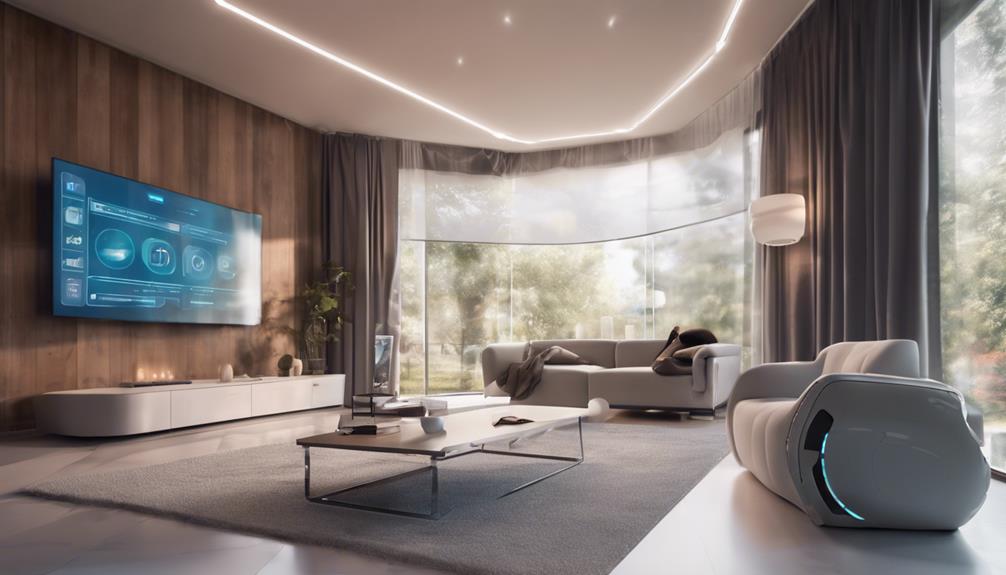
As people increasingly bring smart devices into their homes, integrating these devices seamlessly becomes a key challenge. Smart home owners want to be able to control and monitor their devices easily, without having to navigate multiple interfaces.
To achieve seamless integration, homeowners need a system that enables smart device synchronization and centralized device management. This allows them to control all their devices from a single interface, making it easier to manage their smart home.
Some key features of seamless integration include:
- *Automatic device discovery*, allowing new devices to be easily added to the network
- *Standardized communication protocols*, enabling devices from different manufacturers to communicate with each other
- *Device profiles and preferences*, allowing homeowners to customize their devices to their specific needs and preferences
Evolving Home Entertainment
Evolving Home Entertainment
Embracing a smart home lifestyle has led to evolving home entertainment systems that offer more than just watching TV or listening to music. With the Internet of Things (IoT) at the forefront, these systems are becoming more immersive and interactive. The integration of smart devices has enabled the creation of digital home theaters that provide a cinematic experience in the comfort of one's home.
| Smart Home Entertainment Features | Description |
|---|---|
| Immersive Gaming Experiences | Advanced gaming consoles and high-speed internet connections enable seamless, lag-free gaming experiences. |
| Digital Home Theater | Smart TVs and soundbars work in tandem to create a cinematic experience with surround sound and 4K resolution. |
| Voice-Controlled Entertainment | Smart speakers and voice assistants allow homeowners to control their entertainment systems with voice commands. |
These advancements in home entertainment have transformed the way people enjoy their leisure time. The IoT has enabled the creation of smart home entertainment systems that are interactive, immersive, and convenient. As technology continues to evolve, it will be exciting to see how home entertainment systems adapt to meet the changing needs of homeowners.
Changing Homeowner Behaviors
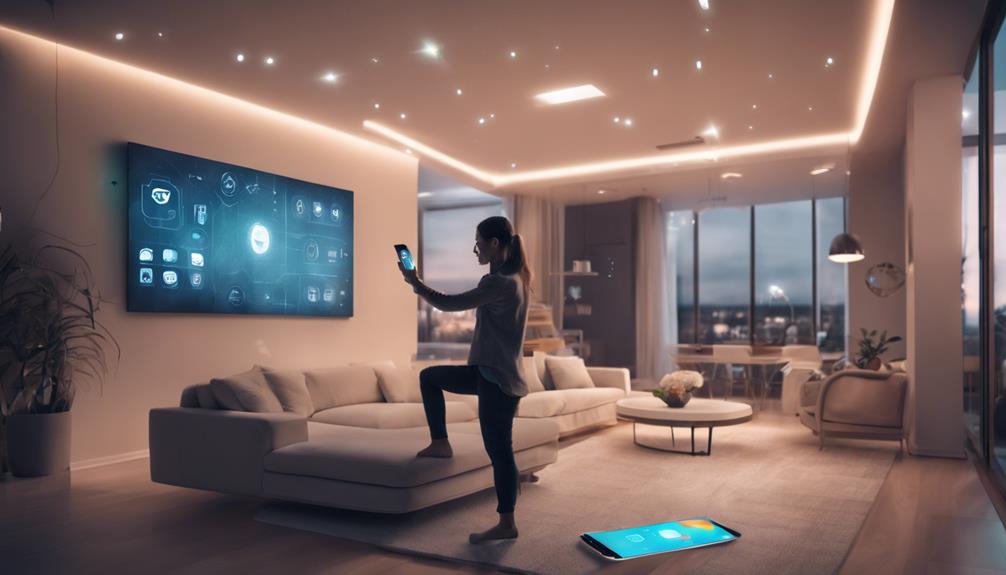
Over time, the widespread adoption of smart home technology has led to significant changes in homeowner behaviors. As smart devices and appliances become more integrated into daily life, people are adjusting their routines and expectations to take advantage of the increased convenience and efficiency. This shift is not only transforming individual homes but also influencing the development of smart cities and urban living. As interconnected systems optimize energy use, enhance security, and streamline household tasks, residents are experiencing a more seamless and automated lifestyle. Ultimately, these advancements are shaping the way communities function, fostering greater sustainability and connectivity.
- Homeowners are creating personalized routines that automate tasks and make the most of their time. They can set up custom scenes that adjust lighting, temperature, and entertainment systems to suit their moods and activities.
- Adaptive appliances are also changing the way people manage household chores. With smart washing machines and refrigerators, homeowners can optimize energy consumption, receive maintenance alerts, and stay on top of their cleaning schedules.
- In addition, smart home technology is encouraging people to be more mindful of their energy usage and resource consumption. By monitoring their energy expenditure in real-time, homeowners can make informed decisions about their daily habits and reduce their environmental footprint.
Frequently Asked Questions
How Secure Is My Smart Home From Cyber Attacks?
She's concerned about her smart home's security from cyber attacks. Data privacy concerns are valid, as hackers can access personal info through connected devices. To protect her home, she should use strong device authentication methods, such as two-factor authentication and secure passwords. Regular software updates and a reliable antivirus program are indispensable. By taking these precautions, she can minimize the risk of a cyber attack and keep her smart home safe.
Are Smart Home Devices Compatible With Non-Iot Appliances?
She wonders if her smart home devices will work seamlessly with her non-IoT appliances. Fortunately, many modern devices prioritize device interoperability, allowing them to connect and function with legacy appliances. This integration enables homeowners to upgrade their smart home capabilities without replacing all their existing appliances. As technology advances, it's likely that more devices will be designed with legacy appliance integration in mind, making smart home upgrades more practical.
Can I Control My Smart Home Without Internet Connection?
She doesn't need to worry about losing control of her smart home when the internet's down. Many devices have local device controls that allow her to manage them directly, even without a connection. Alternatively, she can consider investing in backup energy options to keep her devices running during an outage. This way, she can maintain control and convenience, even when the internet's unavailable. It's all about finding the right devices and setup for her needs.
How Do I Troubleshoot Issues With My Smart Home Devices?
She troubleshoots smart home device issues by checking connections and energy sources. If problems persist, she restarts the router and devices. Next, she verifies software updates and installs them if necessary. Device reset procedures are additionally considered, which involve restoring devices to their factory settings. By following these troubleshooting steps, she can often resolve connectivity and functionality issues, ensuring her smart home devices work seamlessly together and efficiently.
Are Smart Home Systems Compatible With Older Home Infrastructure?
She discovers that nearly 70% of existing homes can be retrofitted with smart technology. When considering smart home systems, she wonders if they're compatible with her older home's infrastructure. Fortunately, many smart home systems are designed with retrofitting options in mind, allowing her to upgrade without major renovations. Manufacturers in addition prioritize infrastructure compatibility, making it easier to integrate new devices into her existing setup, minimizing disruptions and costs.