

Edge computing plays a vital role in enhancing data processing speeds by decentralizing data processing and bringing it closer to the source of the data. This approach reduces latency and network bandwidth requirements, enabling real-time analysis and quicker decision-making. By processing data at the edge, businesses can filter out irrelevant data, reduce computational load and energy consumption, and improve performance and efficiency in applications like industrial automation. Edge computing is indispensable for time-sensitive applications, and as data volumes continue to grow, its significance will only increase, leading to new opportunities for businesses to fuel their data-driven initiatives and innovations.
What Is Edge Computing
A significant portion of the world's data is generated outside of traditional data centers, and this trend is driving the need for quicker data processing. This shift has led to the emergence of edge computing, a decentralized approach to data processing that brings computation closer to the source of the data. In traditional data centers, data is sent to a central location for processing, which can cause delays and increased latency. On the other hand, edge computing enables data to be processed in real-time, at the edge of the network, reducing the need for data to be transmitted to a central location.
Edge computing facilitates decentralized data processing, allowing data to be processed and analyzed where it's generated. This approach enables organizations to streamline data management, reducing the complexity and costs associated with traditional data processing methods. By processing data closer to the source, edge computing minimizes latency and enables quicker decision-making, making it a key component of modern data processing infrastructure. As the volume of data generated outside of traditional data centers continues to grow, edge computing is poised to play a crucial role in enabling faster and more efficient data processing.
Edge Computing Key Benefits
Edge computing offers numerous benefits that bolster the overall efficiency and effectiveness of data processing. Its key advantages include reduced latency times, which enable faster decision-making and response times. By processing data closer to the source, edge computing additionally increases processing efficiency and enables improved real-time analysis.
Reduced Latency Times
Real-time applications like self-driving cars and smart homes rely on instant data processing to function seamlessly. They can't afford to wait for data to travel back and forth between the device and a centralized cloud or data center. This is where edge computing comes in, with its ability to process data closer to the source. By doing so, it reduces latency times greatly, leading to data throughput enhancement and faster decision-making.
Reduced latency times are pivotal in applications where every millisecond counts. Edge computing reduces data transmission delays by processing data in real-time, at the edge of the network. This enables devices to respond quickly to changing situations, such as a self-driving car detecting a pedestrian stepping onto the road. With edge computing, data doesn't have to travel to a distant data center for processing, reducing the time it takes for devices to respond. As a result, edge computing enables faster and more reliable data processing, making it a vital component of real-time applications. By reducing latency times, edge computing boosts the overall performance and efficiency of these applications.
Increased Processing Efficiency
Processing data closer to the source enables devices to handle complex tasks more efficiently, leading to increased processing efficiency. Edge computing plays an indispensable role in optimizing sensor data processing by filtering out irrelevant data and only sending necessary information to the cloud or a central server for further analysis. This approach reduces the amount of data being transmitted, which in turn decreases the computational load and energy consumption of devices.
As a result, edge computing enables devices to process data in real-time, leading to streamlined decision making processes. With data being processed closer to the source, devices can quickly respond to changing conditions, making them more effective and efficient. Increased processing efficiency also enables organizations to derive insights faster, allowing them to make informed decisions and stay competitive in their respective markets.
The benefits of increased processing efficiency are particularly evident in applications that require rapid data analysis, such as industrial automation and smart cities. By processing data closer to the source, these applications can respond quickly to changing conditions, improving overall performance and efficiency.
Improved Real-Time Analysis
They can now analyze data as it's generated, thanks to the proximity of edge computing devices to the data source. This reduced latency allows for real-time insights, enabling businesses to respond quickly to changing conditions. With edge computing, organizations can analyze data locally, reducing the need to transmit it to a central server or the cloud. This approach facilitates distributed decision making, where decisions are made closer to the point of data generation.
Edge computing's decentralized data storage also contributes to improved real-time analysis. By storing data nearer to where it's generated, organizations can respond to changing conditions more rapidly. This is particularly useful in applications such as IoT, where large amounts of data are generated by devices in real-time. With edge computing, this data can be analyzed immediately, enabling businesses to make data-driven decisions in real-time. This capability is vital in applications such as smart manufacturing, healthcare, and finance, where timely decision making is crucial.
Real-Time Data Processing Needs

The increasing adoption of edge computing can be attributed to the rising need for real-time data processing in various industries. Time-sensitive applications, such as those found in IoT and industrial automation, demand immediate processing and analysis of high-volume data streams. This requirement for instantaneous data processing is driving the development of edge computing solutions that can efficiently handle large data volumes and provide swift insights.
Time-Sensitive Application Demands
Many applications require real-time data processing, and this demand is driving the adoption of edge computing solutions. Real-time data processing needs are becoming increasingly crucial in various industries, including finance, healthcare, and manufacturing. These industries rely on instant decision making, where every millisecond counts in responding to changing conditions. Edge computing solutions cater to these demands by processing data closer to the source, reducing latency, and enabling faster decision-making capabilities.
In performance-critical scenarios, edge computing plays an indispensable role in ensuring seamless operations. For instance, in healthcare, real-time data processing enables medical professionals to respond quickly to emergencies, improving patient outcomes. Similarly, in finance, edge computing facilitates instant transactions, reducing the risk of financial losses because of delayed processing.
The adoption of edge computing solutions addresses the growing need for real-time data processing in time-sensitive applications. By reducing latency and enabling instant decision making, edge computing heightens the performance and efficiency of applications, making it a necessary component in various industries. As the demand for real-time data processing continues to grow, edge computing is poised to play a critical function in meeting these demands.
High-Volume Data Streams
Processing high-volume data streams in real-time is increasingly essential for various industries. As IoT devices continue to proliferate, the amount of data generated is skyrocketing, and traditional computing methods are struggling to keep up. Edge computing has emerged as a key solution, enabling real-time data processing and analysis at the edge of the network.
To efficiently process high-volume data streams, several strategies come into play. Key considerations include:
- Data aggregation strategies: Collecting and processing data from multiple sources in real-time, reducing the load on the network and improving response times.
- Computing resource allocation: Dynamically allocating computing resources to prioritize critical tasks and confirm efficient processing of high-volume data streams.
- Data filtering and processing: Implementing edge-based data filtering and processing to reduce the amount of data transmitted to the cloud or data center.
- Scalability and flexibility: Confirming edge computing systems can scale to meet changing data volumes and adapt to new applications and use cases.
Overcoming Cloud Computing Limitations
In the domain of cloud computing, a pressing concern is the latency and bandwidth constraints that can impede data processing speeds. As data volumes continue to grow, these limitations can greatly impact an organization's ability to process and analyze data in real-time. Cloud computing's reliance on centralized data processing and storage can lead to increased latency, as data must be transmitted to and from the cloud, resulting in delayed processing times.
Edge computing addresses these limitations by enabling data processing to occur closer to the source of the data, thereby reducing latency and the need for reduced network bandwidth. By utilizing distributed data storage, edge computing allows data to be processed and analyzed locally, eliminating the need for data to be transmitted to the cloud for processing. This approach not only boosts data processing speeds but also decreases the strain on network resources. As a result, organizations can respond to changing conditions in real-time, making data-driven decisions more effective and efficient. By overcoming these limitations, edge computing provides a more efficient and effective solution for data processing.
Edge Computing Use Cases
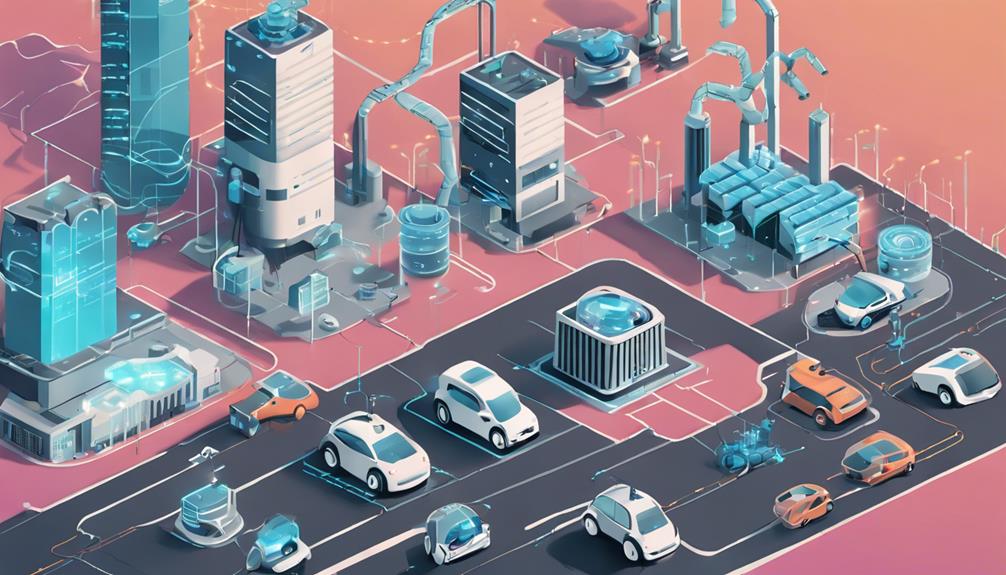
The emergence of edge computing has led to a proliferation of innovative use cases across various industries. As edge computing continues to evolve, it's being applied in numerous applications that require real-time processing and reduced latency. One of the key advantages of edge computing is its ability to process data closer to the source, making it ideal for applications that require instant decision-making.
Some of the notable use cases of edge computing include:
- Autonomous Vehicle Integration: Edge computing plays a pivotal role in autonomous vehicle integration, enabling vehicles to process vast amounts of data from sensors and cameras in real-time, making split-second decisions to guarantee safe navigation.
- Smart City Infrastructure: Edge computing is used in smart city infrastructure to manage and process data from various sensors and devices, such as traffic lights, surveillance cameras, and environmental sensors, to create a more efficient and responsive urban environment.
- Industrial Automation: Edge computing is used in industrial automation to monitor and control equipment in real-time, reducing downtime and increasing overall efficiency.
- Healthcare: Edge computing is used in healthcare to process medical data from devices and sensors, enabling healthcare professionals to make timely and informed decisions.
Impact on Business Operations
Companies leveraging edge computing are reaping significant benefits with respect to operational efficiency and cost savings. By processing data closer to its source, edge computing reduces latency and increases processing speeds, enabling businesses to respond quickly to changing market conditions. This results in increased workflow productivity, as employees can access and analyze data in real-time, making informed decisions and driving business growth.
Edge computing also streamlines decision-making processes by providing businesses with instant insights into their operations. With real-time data analytics, companies can identify trends, patterns, and potential issues, allowing them to make data-driven decisions and stay ahead of the competition. Moreover, edge computing enables businesses to automate tasks and workflows, freeing up resources for more strategic initiatives. By improving operational efficiency, reducing costs, and enhancing decision-making processes, edge computing is revolutionizing the way businesses operate, giving them a competitive edge in today’s fast-paced digital realm. This transformation enables companies to become more agile, responsive, and competitive. Furthermore, the integration of edge computing with the evolution of cloud computing allows businesses to leverage both centralized and decentralized processing for optimal performance. This synergy enhances scalability, security, and reliability, ensuring that organizations can process and analyze data efficiently. As a result, companies can adapt more quickly to market changes and technological advancements, strengthening their competitive position.
Edge Computing Infrastructure Setup
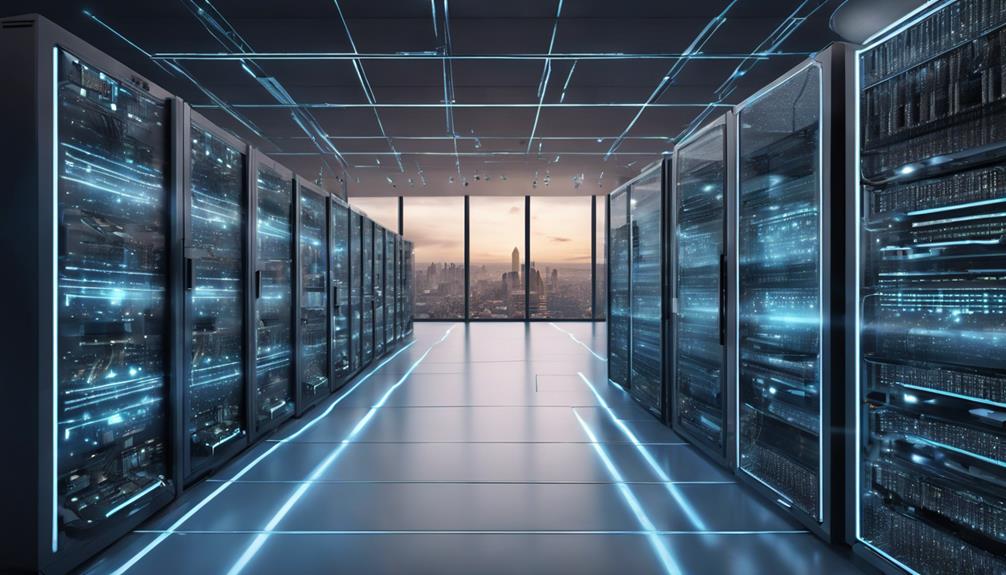
Setting up an edge computing infrastructure requires careful planning and strategic placement of devices. To ensure optimal performance, organizations must consider the specific requirements of their use case, including the type of data being processed, the number of devices involved, and the desired latency. A well-designed edge computing infrastructure can significantly enhance data processing speeds and improve overall system efficiency.
When setting up an edge computing infrastructure, several key components must be considered. These include:
- Hardware Configuration: Selecting the right hardware for edge computing devices is vital. This includes choosing devices with sufficient processing power, memory, and storage capacity to handle the required workload.
- Network Infrastructure: A robust network infrastructure is necessary to support the high-speed data transfer required for edge computing. This includes high-bandwidth connections and reliable network protocols.
- Data Management: Effective data management is critical to ensuring that data is properly collected, processed, and stored at the edge. This includes implementing data filtering, compression, and encryption techniques.
- Security: Edge computing devices are often deployed in remote locations, making them vulnerable to security threats. Implementing robust security measures, such as encryption and access controls, is necessary to protecting sensitive data.
Future of Edge Computing
Edge computing is poised to transform the way we process and analyze data, and its future looks brighter than ever. As the Internet of Things (IoT) continues to expand, edge computing will play an indispensable role in enabling real-time data processing and analysis. This technology is expected to drive innovation in various industries, including healthcare, finance, and transportation.
In the future, edge computing will enable autonomous decision making, allowing devices to make decisions in real-time without human intervention. This will be particularly useful in applications such as self-driving cars, smart homes, and industrial automation. Concurrently, edge computing will also provide scalable storage solutions, allowing for efficient data storage and retrieval.
The integration of edge computing with other technologies such as artificial intelligence, blockchain, and 5G networks will further accelerate its growth. As the demand for edge computing continues to increase, we can expect to see significant advancements in the development of edge computing infrastructure and applications. With its potential to transform industries and redefine the way we process data, the future of edge computing is undoubtedly exciting and promising.
Frequently Asked Questions
How Does Edge Computing Handle Cybersecurity Threats and Risks?
When handling cybersecurity threats, edge computing employs various strategies to protect data. It's pivotal for organizations to mitigate network vulnerabilities by implementing robust security protocols and enforcing access controls to prevent unauthorized access. Edge devices are additionally equipped with advanced threat detection systems, enabling them to respond quickly to potential breaches. By doing so, edge computing minimizes the risk of data compromise and secures the integrity of sensitive information.
Can Edge Computing Be Integrated With Existing IT Infrastructure?
As companies seek to modernize and expand, they face a common dilemma: can new technology be integrated seamlessly, or will it disrupt existing systems? Fortunately, edge computing can be harmoniously integrated with existing IT infrastructure. This is made possible through careful network integration and attention to infrastructure compatibility. By ensuring edge computing solutions work in tandem with current systems, companies can avoid costly overhauls and reap the benefits of amplified data processing speeds.
What Are the Maintenance Costs for Edge Computing Systems?
When considering edge computing systems, they typically incur lower maintenance costs compared to traditional cloud-based systems. This is because edge computing systems often don't require hardware upgrades as frequently, as they're designed to process data locally. Nonetheless, they do require regular software maintenance to guarantee ideal performance and security. By outsourcing these tasks to managed service providers, organizations can minimize costs and streamline maintenance processes, making edge computing a more cost-effective option.
How Does Edge Computing Support Remote and Iot Devices?
She notes that edge computing supports remote and IoT devices by bringing data processing closer to where it's generated. This reduces network latency, enabling devices to respond faster. Furthermore, edge computing allows for offline data processing, ensuring that devices can function even without a stable internet connection. This increases overall efficiency, making it ideal for applications in industries like manufacturing, healthcare, and transportation, where real-time data analysis is essential.
Can Edge Computing Be Used With Non-Real-Time Data Processing Applications?
She explores the potential of edge computing in various applications, wondering if it's limited to real-time processing. In reality, edge computing can likewise be used with non-real-time data processing applications. By processing data closer to its source, edge computing reduces data latency, enabling faster decision making processes. This approach is particularly useful in applications where timely insights are pivotal, even if real-time processing isn't required, such as data analytics and reporting.