
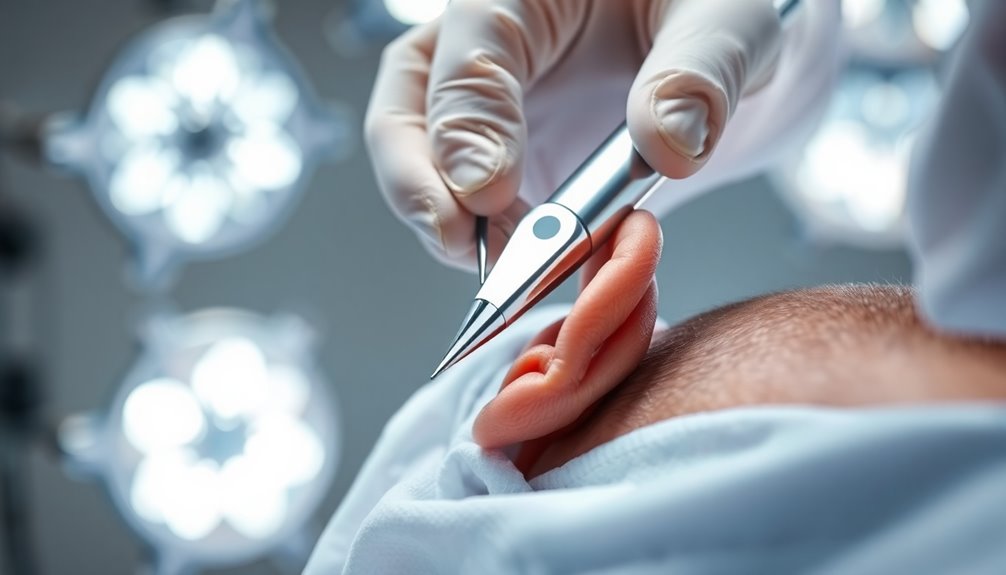
Recent developments in cosmetic ear procedures highlight the shift toward minimally invasive techniques and innovative surgical technologies. These advancements improve surgical precision, shorten recovery periods, and reduce trauma to surrounding tissues. Modern surgical approaches also incorporate 3D imaging technology, allowing surgeons to create highly personalized treatment plans tailored to each patient’s anatomy.
In addition to surgical improvements, non-invasive cosmetic ear treatments are becoming increasingly popular. These options provide subtle aesthetic enhancements without the need for traditional surgery or extended downtime. As technology continues to evolve, individuals considering cosmetic ear procedures have access to safer, more effective solutions that prioritize both aesthetics and patient comfort. For those interested in the field, exploring current innovations in cosmetic ear surgery offers valuable insight into how modern techniques are reshaping aesthetic ear treatments.
Article Highlights
- Recent advancements focus on minimally invasive techniques that reduce recovery times and scarring through smaller incisions and advanced imaging.
- 3D imaging technology enables customized surgical plans, enhancing precision and facilitating more effective communication between patients and surgeons.
- Enhanced surgical tools have improved precision, minimizing trauma to surrounding tissues during cosmetic ear procedures.
- Non-invasive options such as ear contouring and laser treatments offer aesthetic improvements with minimal recovery time and lower risk.
- Patient engagement is emphasized through consultations, thereby aligning aesthetic goals and improving satisfaction with surgical outcomes.
Why Consider Cosmetic Ear Surgery? Addressing Common Concerns

Cosmetic ear surgery, commonly known as otoplasty, is increasingly sought by individuals who wish to improve the appearance of their ears. For many people, ear shape or prominence can significantly affect their self-confidence and overall self-image. Concerns such as protruding ears, asymmetry, or irregular ear shapes often lead individuals to explore cosmetic solutions. Procedures such as ear pinning are specifically designed to reposition prominent ears closer to the head, creating a more balanced and harmonious appearance. By addressing these concerns, patients often experience improvements not only in their appearance but also in their confidence and social comfort. For many individuals, cosmetic ear surgery represents more than a physical change—it offers an opportunity to feel more aligned with their self-image. As a result, patients often report greater confidence and an improved quality of life following treatment.
The Evolution of Cosmetic Ear Surgery Techniques
The evolution of cosmetic ear surgery techniques has greatly transformed the field, emphasizing minimally invasive approaches. Advances in surgical tools have improved precision and reduced recovery times for patients. As these innovations continue to develop, they promise to further elevate outcomes and patient satisfaction.
Minimally Invasive Techniques
Advancements in medical technology have transformed ear surgery, enabling the development of minimally invasive techniques. These innovative methods focus on ear reshaping and minimizing trauma to surrounding tissues. By utilizing smaller incisions and advanced imaging, surgeons can achieve precise results with reduced scarring. Patients benefit from quicker recovery techniques, allowing them to return to their daily activities sooner than with traditional approaches. The emphasis on less invasive procedures not only improves aesthetic outcomes but also aligns with a growing desire for freedom from lengthy rehabilitation. As these techniques gain popularity, they represent a significant shift in cosmetic ear surgery, providing individuals with more options for achieving their desired ear appearance without compromising their lifestyle.
Advances in Surgical Tools
Innovations in surgical tools have played a pivotal role in the evolution of cosmetic ear surgery techniques. The introduction of robotic-assisted technologies and precision instruments allows surgeons to perform delicate procedures with exceptional accuracy. These advanced systems improve dexterity, enabling delicate maneuvers that traditional methods often struggle to execute. Moreover, the development of precision instruments has greatly improved outcomes, reducing recovery times and minimizing scarring. Surgeons can now tailor procedures to individual anatomical nuances, providing patients with more personalized results. As these technologies continue to advance, they empower both practitioners and patients, cultivating a sense of autonomy in aesthetic choices. The future of cosmetic ear surgery is bright, driven by these remarkable innovations in surgical tools.
Non-Invasive Cosmetic Ear Procedures: What You Should Know

In recent years, non-invasive cosmetic ear treatments have gained popularity among individuals seeking aesthetic improvements without surgery. These techniques offer various benefits, including minimal recovery time and reduced risk of complications, making them appealing to many individuals. Ideal candidates for these procedures typically seek subtle improvements rather than dramatic changes, ensuring they achieve their desired look safely and effectively.
Popular Non-Invasive Techniques
Several non-surgical options are now available for improving ear appearance. These procedures provide aesthetic adjustments while allowing patients to avoid surgical intervention.
- Ear Contouring: Non-surgical fillers can reshape the ear’s outline, providing a more balanced look.
- Ear Taping: This technique involves strategically taping the ears to achieve a desired position, often used for protruding ears.
- Laser Treatments: Non-invasive lasers can reduce irregularities and improve skin texture around the ears, enhancing overall appearance.
These techniques provide flexible alternatives for individuals seeking cosmetic improvements while maintaining a non-surgical approach.
Benefits of Non-Invasive Procedures
How can individuals improve their appearance without the drawbacks of surgery? Non-invasive options for cosmetic ear procedures provide a compelling solution. These techniques, such as ear shaping and fillers, allow patients to improve their ear aesthetics with minimal discomfort and downtime. The freedom from lengthy recovery periods is a significant advantage, enabling individuals to resume their daily activities almost immediately. Additionally, patient satisfaction tends to be high, as non-invasive methods often yield natural-looking results and lessen the risks associated with surgical interventions. With advancements in technology, these procedures are becoming increasingly accessible, empowering individuals to make informed choices about their appearance without invasive procedures. Non-invasive options represent a modern approach to cosmetic enhancements.
Ideal Candidates for Treatment
Individuals considering non-invasive cosmetic ear procedures should evaluate their candidacy based on specific factors. Ideal candidates typically possess certain characteristics that improve their suitability for treatment.
- Age Considerations: Candidates should be at least 18 years old to ensure that ear structures are fully developed, enabling the best results.
- Health Status: Individuals should be in good overall health, with no chronic conditions that could complicate healing.
- Motivation and Expectations: Candidates must have realistic expectations and a strong desire for improvement, comprehending the procedure’s limitations.
How 3D Imaging Improves Surgical Outcomes
Recent advances in 3D imaging technology have considerably improved the precision of cosmetic ear procedures. By using 3D modeling, surgeons can create accurate representations of a patient’s ear anatomy, enabling customized surgical plans that align with individual anatomy. This innovation improves surgical precision, enabling practitioners to visualize the intricacies of ear deformities and plan interventions with greater accuracy. In addition, 3D imaging facilitates preoperative simulations, allowing both surgeons and patients to engage in informed discussions about expected outcomes. As a result, patients experience a heightened sense of autonomy and freedom in their decision-making process. Overall, integrating 3D imaging into cosmetic ear surgery not just refines techniques but also boosts patient satisfaction through personalized care and improved results.
What to Expect After Your Ear Surgery: Recovery Tips
Although the anticipation of cosmetic ear surgery can be overwhelming, comprehending the recovery process is crucial for a smooth transition back to normal activities. Patients should be aware of the following important recovery tips to improve their experience:
- Pain Management: Utilize prescribed medications and over-the-counter options as needed to alleviate discomfort. Staying ahead of pain can greatly enhance recovery.
- Follow the Recovery Timeline: Adhere to the doctor’s guidelines regarding rest and activity levels. Typically, initial healing occurs within a week, but complete recovery may take several months.
- Limit Physical Activity: Avoid strenuous exercises or movements that could strain the ears, allowing them to heal properly without complications.
Choosing the Right Surgeon for Your Ear Surgery: What to Consider?

How can one guarantee they are selecting the most qualified surgeon for ear surgery? The selection process requires careful consideration of surgeon qualifications, including board certification, specialized otoplasty training, and relevant experience. Prospective patients should seek out professionals whose credentials reflect a deep comprehension of cosmetic ear procedures. Furthermore, reviewing patient testimonials can provide valuable insights into the surgeon’s skill and patient care. Positive feedback can indicate a surgeon who prioritizes patient satisfaction and results. It’s crucial for individuals to schedule consultations to discuss their goals and gauge the surgeon’s communication style and approach to treatment. This thorough evaluation empowers patients to make informed choices, ultimately ensuring they find a surgeon who aligns with their aesthetic aspirations.
Frequently Asked Questions
How Long Do Cosmetic Ear Procedures Typically Take?
Cosmetic ear procedures typically take 1 to 2 hours to complete, depending on the complexity of the procedure. The recovery timeline can vary, with most patients resuming normal activities within a week, even though complete healing may take several months. Individuals seeking these procedures often appreciate the relatively short duration and the potential for significant aesthetic improvement, allowing them to reclaim their confidence and enjoy a newfound sense of freedom in their appearance.
Are There Age Restrictions for Ear Surgery Candidates?
Age considerations for ear surgery candidates vary widely. Typically, qualified surgeons recommend procedures for children aged 5 to 6, as this is when ear development stabilizes. Nonetheless, there are no strict upper age limits, allowing adults seeking aesthetic or corrective changes the freedom to pursue surgery. Ultimately, the candidate’s overall health and specific circumstances play an essential role in determining eligibility, rather than age alone.
What Are the Risks Associated With Cosmetic Ear Surgery?
Cosmetic ear surgery carries several risks, including surgery complications that can potentially compromise patient safety. The most common issues involve infection, scarring, and anesthesia reactions. Some may argue that the cosmetic nature of the procedure minimizes these risks, but the reality is that every surgical intervention bears inherent dangers. Consequently, individuals seeking this transformation should thoroughly weigh the desire for change against the possible adverse outcomes that may arise post-surgery.
Will My Insurance Cover the Cost of Ear Surgery?
Insurance policies typically do not cover cosmetic ear surgery because it is often considered elective. Nevertheless, some coverage options may be available if the procedure is medically necessary, such as correcting congenital deformities or treating trauma. Individuals should review their specific insurance plans and consult with their providers to explore potential coverage. Seeking freedom from aesthetic concerns can encourage proactive discussions about the financial responsibilities of ear surgery.
How Can I Prepare for My Consultation Appointment?
Preparing for a consultation appointment can feel like gearing up for a grand adventure. To ensure a successful visit, one should compile a list of consultation questions, including inquiries about the procedure, recovery time, and potential risks. Appointment tips include bringing any necessary medical records and wearing comfortable clothing. By approaching the consultation with confidence and clarity, one can truly embrace the freedom to make informed decisions about their cosmetic ear goals.