
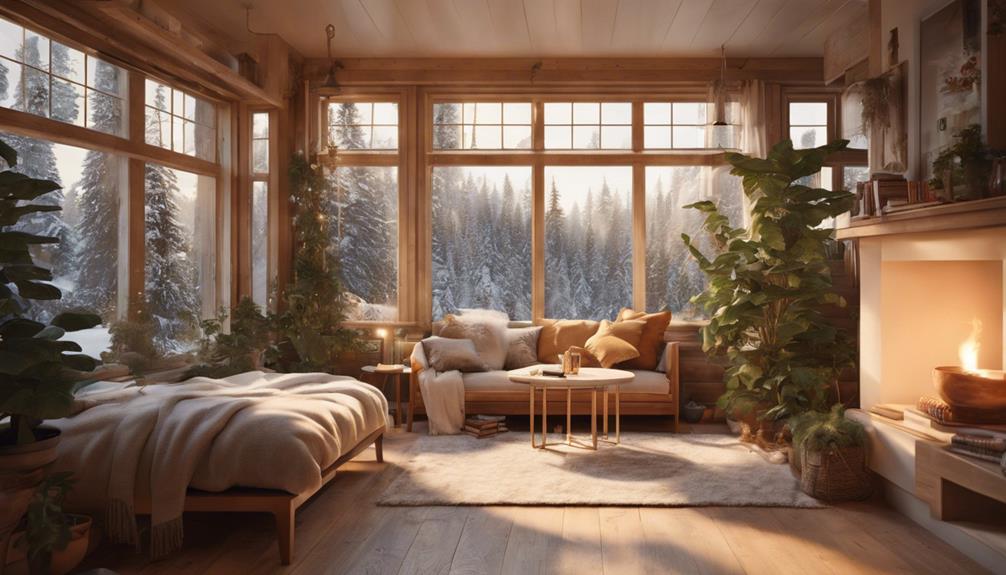
You might think that small homes are limited by their size, but they can be incredibly cozy and inviting. Compact spaces blend functionality and intimacy, creating a unique atmosphere that's hard to replicate in bigger homes. By maximizing natural light and using space-saving storage solutions, you can make the most of your small home. Cozy corner nooks, intimate outdoor spaces, and functional layouts can additionally add to the charm. Small homes even have sustainability advantages, like energy efficiency. As you look closer at small homes, you might just discover the hidden beauty they have to offer, and how it can transform the way you live.
The Allure of Compact Spaces
The appeal of compact homes can be attributed to their unique blend of functionality and intimacy. When you step into a compact space, you’re immediately enveloped in a sense of coziness and comfort. This atmosphere is often the result of a carefully considered design that balances functionality with a sense of scale. Compact homes are designed to be efficient, with every element serving a purpose. This intentional use of space creates a sense of safety and security, which is crucial for feeling at ease in your home. Additionally, compact homes often incorporate smart storage solutions and multi-functional furniture, ensuring that the space remains uncluttered and harmonious. This thoughtful approach contributes to serene and safe homes, where residents can relax without feeling overwhelmed by excess. As a result, these spaces foster a deeper connection between individuals and their living environment, enhancing overall well-being.
In a compact home, you're more likely to notice the details that make a space feel welcoming. The warmth of a fireplace, the soft glow of a table lamp, or the texture of a plush rug can all contribute to a sense of comfort. By embracing the intimacy of a compact space, you can create a home that feels like a haven. By focusing on the necessary and eliminating unnecessary elements, you can craft a space that feels safe, inviting, and truly yours. This thoughtful approach to design is at the heart of the allure of compact spaces.
Maximizing Natural Light
Natural light is a vital element in compact homes, and you'll want to maximize it to create a sense of openness and airiness. This can be achieved by letting in sunlight through various means. Start by keeping windows unobstructed from heavy curtains or blinds that block natural light. Instead, opt for sheer or light-blocking curtains that can be easily opened to allow sunlight to enter.
Mirrors can also be strategically placed to reflect natural light, enhancing brightness throughout the home. This technique can be particularly effective in areas with limited natural light sources. Equally important, consider the color scheme of your home's interior. Light-colored walls and flooring can help reflect natural light, making the space feel more open and airy.
When it comes to lighting fixtures, choose options that complement natural light rather than competing with it. Avoid harsh overhead lighting and instead opt for table lamps or floor lamps that provide warm, soft light. By implementing these strategies, you can effectively maximize natural light in your compact home, creating a safe and welcoming environment.
Small Home Decorating Tips

Regarding decorating your small home, you'll want to focus on a few key areas to create a space that's both cozy and functional. Selecting a color scheme that reflects your personal style is a great place to start, as it can greatly impact the overall ambiance of your home. By pairing a thoughtful color scheme with smart storage solutions and carefully selected furniture, you can create a space that feels warm and inviting, in the face of its smaller size.
Choosing a Color Scheme
As you begin to decorate your small home, selecting a color scheme is crucial in creating a cozy atmosphere. Neutral tones such as beige, cream, or light gray are excellent choices for small spaces as they create a sense of calm and make the area feel larger. These colors furthermore provide a safe and soothing environment, ideal for relaxation.
When choosing a color scheme, consider the natural light in your home. If your space is poorly lit, opt for lighter shades to reflect the available light and make the area feel brighter. On the other hand, if your home receives plenty of natural light, you can balance it with darker accent colors to add depth and visual interest. Accent colors can also be used to create a cozy nook or highlight a specific area in your home. Use them sparingly to avoid overwhelming the space. By selecting a thoughtful color scheme, you can create a warm and inviting atmosphere in your small home, perfect for unwinding and feeling safe.
Maximizing Storage Spaces
Maximizing Storage Spaces
Limiting clutter is key to maintaining a cozy atmosphere in small homes. When you live in a compact space, clutter can quickly become overwhelming and make your home feel cramped. To avoid this, you need to make the most of your storage spaces. A great way to do this is by incorporating built-in shelves and storage units into your home's design. These can be installed in closets, hallways, or even under stairs, providing ample storage for linens, cleaning supplies, and other household items.
Wall-mounted organizers are another effective way to maximize storage in small homes. You can install hooks, baskets, or shelves on walls in entryways, kitchens, or bathrooms to keep necessities within easy reach. This not only keeps clutter at bay but also helps prevent tripping hazards and keeps your home safe. By making the most of your walls and using built-in storage solutions, you can keep your home organized, clutter-free, and safe. This, in turn, contributes to a more relaxing and cozy atmosphere, perfect for unwinding after a long day.
Selecting Furniture Wisely
Selecting the right furniture is pivotal to achieving a cozy atmosphere in your small home. When choosing furniture, it's paramount to contemplate the space's dimensions and the flow of traffic. Avoid oversized pieces that can make your home feel cramped and claustrophobic. Instead, opt for compact, multi-functional furniture that serves more than one purpose, such as a storage ottoman or a desk with built-in shelving.
To create a balanced aesthetic, choose furniture with clean lines, minimal ornamentation, and a neutral color palette. These elements will help to create a sense of calm and serenity in your small home. Contemplate the 60-30-10 rule: 60% of the room should be a dominant color, 30% a secondary color, and 10% an accent color. This will help you make balanced aesthetic choices and achieve a harmonious atmosphere.
Space Saving Storage Solutions
Regarding small, cozy homes, you're constantly looking for ways to make the most of your space. That's where space saving storage solutions come in – including multifunctional furniture ideas and hidden storage spaces. By incorporating these clever solutions into your home's design, you can keep clutter at bay and maintain a peaceful, organized living space.
Multifunctional Furniture Ideas
In a small, cozy home, every piece of furniture counts, and incorporating multifunctional furniture ideas can be a game-changer. By choosing furniture with dual purpose design elements, you can create a safe and functional living space without sacrificing style. One effective way to achieve this is by incorporating foldable furniture options, which can be easily stowed away when not in use.
- Ottoman Storage: A storage ottoman can serve as a coffee table, additional seating, and storage for linens or out-of-season clothing.
- Desk with Built-in Shelving: A desk with built-in shelving can provide a dedicated workspace while keeping books and office supplies organized and within reach.
- Sofa Bed: A sofa bed can serve as a comfortable seating area during the day and convert into a bed for guests at night.
- Dining Table with Storage: A dining table with storage can keep tableware and linens organized, while providing a functional surface for mealtime.
Hidden Storage Spaces
A well-designed small, cozy home often relies on hidden storage spaces to maintain a clutter-free living environment. You can create these spaces by incorporating hidden compartments into your home's design. For instance, you can install shelves or cabinets with hidden drawers or secret compartments. This will allow you to store valuable items, such as important documents or jewelry, safely and out of sight.
When designing your home, consider integrated storage solutions that serve multiple purposes. For example, you can use a storage ottoman as a coffee table or a storage bed frame with built-in drawers. These types of solutions can help maximize your space while keeping your belongings organized and secure.
To further augment your home's safety, consider using lockable storage units or installing security features, such as motion sensors or alarms, to protect your hidden storage spaces. By incorporating hidden storage spaces and integrated storage solutions into your home's design, you can maintain a clutter-free and secure living environment that promotes relaxation and well-being. This will allow you to fully enjoy the benefits of your small, cozy home.
Cozy Corner Nooks

Snuggling up in a cozy corner nook is the perfect way to unwind, and you can easily create one in even the smallest of homes. Cozy reading nooks are an excellent addition to any home, providing a quiet and comfortable space to escape into a good book or simply relax.
To create your own cozy corner nook, consider the following elements:
- Soft Lighting: Use table lamps or floor lamps to create a warm and inviting glow.
- Comfortable Seating: Incorporate plush pillows and cushions to create a comfortable and supportive seating area.
- Built-in Window Seats: Take advantage of a window with a built-in seat to create a cozy reading nook with a view.
- Calming Colors: Use soothing colors on walls and furniture to promote relaxation.
When creating your cozy corner nook, prioritize safety by guaranteeing that any electrical cords or outlets are secure and out of reach. Furthermore, consider the location of your nook to ascertain it is not a tripping hazard or obstructing any doorways. By incorporating these elements, you can create a cozy and safe space to unwind and relax.
Intimate Outdoor Spaces
Now that you've created a cozy reading nook indoors, it's time to think about bringing that same sense of intimacy and relaxation to your outdoor space. Intimate outdoor spaces can be a serene escape from the hustle and bustle of daily life, providing a safe haven to unwind and recharge. To create a quaint garden retreat, consider a secluded area surrounded by lush greenery or a charming patio design that's shielded from harsh winds and extreme sunlight.
When designing your outdoor space, prioritize your safety and comfort. Choose sturdy furniture that's designed for outdoor use and guarantee it's securely anchored to prevent accidents. Soft lighting can also amplify the ambiance, making your space feel cozier and more inviting. Consider string lights or lanterns that are weather-resistant and energy-efficient.
Small Homes and Sustainability

Ecological concerns and environmental sustainability are integral to the concept of small homes. When you invest in a small home, you're not just reducing your carbon footprint, but you're additionally creating a safe and eco-friendly living space. One of the key advantages of small homes is their energy efficiency. By incorporating energy efficient appliances, you can drastically reduce your energy consumption and lower your utility bills.
- Use compact gardening techniques: Make the most of your outdoor space by using compact gardening techniques, such as vertical gardening or container gardening.
- Invest in renewable energy: Consider investing in solar panels or wind turbines to generate your own renewable energy.
- Reduce water waste: Install low-flow showerheads and toilets to reduce your water consumption.
- Use eco-friendly materials: Use eco-friendly materials, such as reclaimed wood or bamboo, to build and furnish your home.
Creating Functional Layouts
Creating Functional Layouts
Regarding creating functional layouts in small homes, you'll want to think outside the box – or in this case, the walls. This means considering efficient floor plans that maximize space, safety, and comfort. Think about how you'll use each room and how you can multitask with your space.
| Layout Considerations | Ergonomic Design Tips |
|---|---|
| Avoid narrow corridors and hallways that can create tripping hazards | Use rounded corners and soft-close doors to prevent injuries |
| Consider an open-plan living area to reduce clutter and improve visibility | Incorporate adequate storage and shelving to keep walkways clear |
| Use vertical space by installing floor-to-ceiling storage units or shelves | Guarantee sufficient lighting in each room to reduce eye strain and improve visibility |
| Optimize your kitchen layout with a functional triangle design for easy movement | Incorporate ergonomic seating and workspaces to reduce back and neck strain |
Embracing Simplicity and Style

Embracing Simplicity and Style
Embracing simplicity and style in your small, cozy home doesn't have to mean sacrificing personality. It's about striking a balance between clean lines, minimal decor, and personal touches that make your space feel truly yours. By paring down clutter and focusing on what's truly pivotal, you can create a sense of calm and serenity that's hard to find in larger, more chaotic spaces.
To achieve this look, consider the following elements:
- Neutral color palette: A simple, monochromatic color scheme can help create a sense of calm and make your space feel more spacious.
- Minimalist accents: Add visual interest with simple, understated accents like throw pillows, rugs, and wall art.
- Natural textures: Incorporate natural textures like wood, stone, and plants to add depth and warmth to your space.
- Personal touches: Display personal items like family photos, heirlooms, and collectibles to make your space feel truly yours.
Frequently Asked Questions
Are Small Homes Suitable for Large Families or Multiple Generations?
When considering a home for a large family or multiple generations, you might wonder if small homes are a viable option. As it can be a challenge, it's not impossible. You can incorporate space-saving furniture to optimize every room. Multi-purpose rooms can additionally help, such as a living area that doubles as a guest room. By being intentional with your space, you can create a safe and cozy home that meets everyone's needs.
Can I Afford to Build a Small Home on a Tight Budget?
Visualize building your dream home for under $50,000 like the 'WeeCasa' in Colorado, a tiny home community. You can afford to build a small home on a tight budget. Explore financing options like personal loans or construction mortgages with lower interest rates. Choose affordable construction materials, such as reclaimed wood or energy-efficient insulation. With careful planning, you'll be safe in your new home, enjoying a cozy space that's both budget-friendly and secure.
How Do I Deal With Clutter in a Small Home Environment?
You're struggling to keep clutter under control in your compact space. Don't worry, it's a common issue. To deal with clutter effectively, you must utilize flexible storage solutions, like baskets, shelves, and hidden compartments. Maximize vertical space by installing wall-mounted units or loft storage. This will help keep your belongings organized and out of the way, reducing tripping hazards and creating a safer, more peaceful living environment.
Are Small Homes More Prone to Moisture and Mold Issues?
You might wonder if smaller spaces are more susceptible to moisture and mold issues. Yes, they can be. One reason is potential ventilation challenges, which can lead to poor air circulation and trapped moisture. This can considerably impact indoor air quality, posing health risks. Proper ventilation systems and regular maintenance can help mitigate these concerns, ensuring a safe and healthy living environment for you and your loved ones.
Can Small Homes Appreciate in Value Over Time Like Larger Homes?
You're probably wondering if small homes can appreciate in value over time. The answer is yes, they can. If you've invested in a well-designed, energy-efficient small home, it will likely attract buyers when you decide to sell. Resale market demand for cozy, eco-friendly homes is on the rise. As long as you've considered energy efficiency and maintenance, your small home's value can increase, making it a safe and smart investment for your future.