

You can recover faster and avoid complications from surgery by incorporating holistic approaches into your recovery plan. Start by minimizing pain naturally with deep breathing, progressive muscle relaxation, and herbal remedies like ginger and turmeric. Focus on nutrition for healing with immune-boosting foods, omega-3 fatty acids, and protein-rich foods. Moreover, incorporate mind-body therapies like meditation, guided imagery, and loving-kindness meditation to alleviate stress and anxiety. Likewise, alternative pain relief methods, such as acupuncture and topical ointments, can help. By adopting these practices, you can create a recovery plan that addresses your physical and emotional needs and sets you up for a smoother, faster recovery.
Benefits of Holistic Recovery
Several key benefits make holistic recovery an attractive option for post-surgery healing. When you're caring for someone after surgery, you want to guarantee they receive the most ideal care. Holistic recovery offers an all-encompassing approach that combines conventional and alternative medicine to support the body's natural healing process. This approach acknowledges that the body is interconnected, and what affects one part of the body can impact overall well-being.
Minimizing Pain Naturally
When you're recovering from surgery, managing pain is key to your overall well-being. You'll want to focus on reducing acute pain as soon as possible to prevent it from becoming a chronic issue. By exploring natural pain relief methods, you can take a proactive approach to minimizing discomfort and promoting a smoother recovery.
Reducing Acute Pain
Holistic Approaches to Post-Surgery Recovery
Minimizing Pain Naturally
Reducing Acute Pain
Natural post-operative care often begins with addressing the most immediate concern: acute pain. As a caregiver, you can help your loved one reduce acute pain after surgery using various pain management techniques and complementary therapies. These methods can be used in conjunction with conventional medical care to promote a smoother recovery.
| Technique | Description | Benefits |
|---|---|---|
| Deep Breathing | Focus on slow, deep breaths to calm the body | Reduces stress, anxiety, and pain |
| Progressive Muscle Relaxation | Tense and relax different muscle groups | Relaxes muscles, reduces pain and anxiety |
| Visualization | Envision a peaceful, pain-free place | Reduces stress, anxiety, and pain |
| Guided Meditation | Listen to a guided meditation to promote relaxation | Reduces pain, anxiety, and stress |
| Supportive Listening | Listen to your loved one without judgment | Helps your loved one feel heard and supported |
Natural Pain Relief Methods
Natural Pain Relief Methods
How can you further support your loved one's recovery from surgery without relying solely on conventional pain medication? One effective way is to explore natural pain relief methods that can minimize discomfort and promote healing. Herbal remedies, for instance, have been used for centuries to alleviate pain and inflammation. Ginger, turmeric, and willow bark are popular herbal options that can be consumed as teas, capsules, or added to food.
Crucial oils are another natural pain relief method worth considering. Certain oils, such as lavender, eucalyptus, and peppermint, have analgesic and anti-inflammatory properties that can help reduce pain and discomfort. You can add a few drops of these oils to a warm bath, inhale them through steam inhalation, or mix them with a carrier oil for a soothing massage. When using crucial oils, it's crucial to dilute them properly and consult with a healthcare professional, especially if your loved one has sensitive skin or allergies. By incorporating these natural pain relief methods into your loved one's post-surgery care, you can help them recover more comfortably and holistically.
Nutrition for Healing
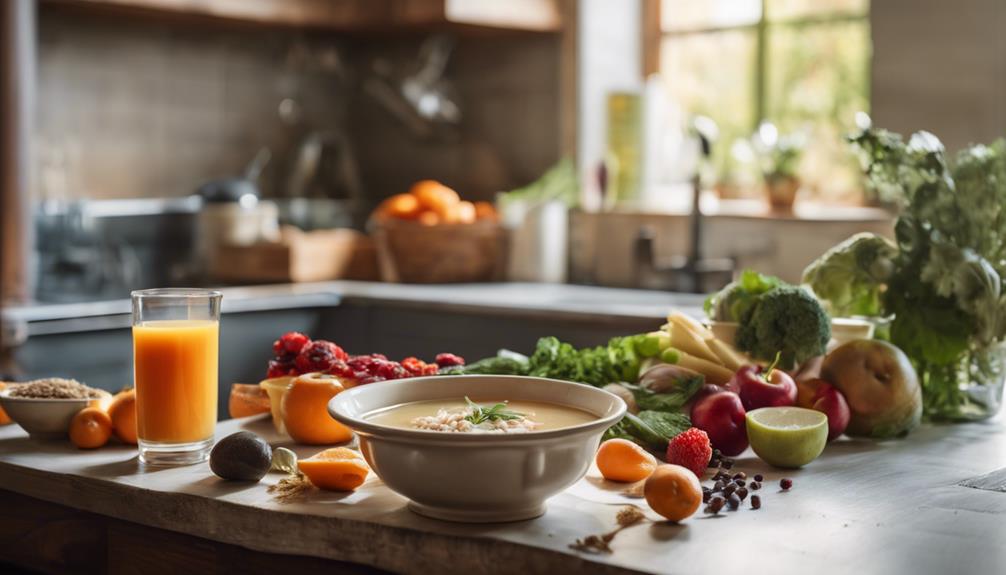
After surgery, you'll often find yourself relying on others for support, but one key aspect of recovery remains within your control: nutrition. A well-planned diet can greatly impact your healing process, so it's pivotal to focus on nutrient-rich foods that support your body's recovery.
To start, incorporate immune-boosting foods into your diet, such as citrus fruits, leafy greens, and berries. These foods are rich in vitamins C and E, which help to support immune function and reduce the risk of infection. Additionally, include anti-inflammatory nutrients like omega-3 fatty acids, turmeric, and ginger in your meals. These nutrients can help to reduce swelling, pain, and inflammation, making it simpler for your body to heal.
Other key nutrients to focus on include protein, which is crucial for tissue repair, and complex carbohydrates, which provide sustained energy. Aim to include a variety of whole, unprocessed foods in your diet, such as lean meats, whole grains, and a range of colorful fruits and vegetables. By focusing on nutrient-dense foods, you can support your body's natural healing process and promote a smoother, faster recovery.
Mind-Body Therapies
As you focus on post-surgery recovery, it's crucial to evaluate the role of mind-body therapies in supporting your healing process. You'll find that practices like meditation and relaxation can greatly diminish stress and anxiety, while breathing and visualization techniques can help calm your mind and foster overall well-being. By incorporating these therapies into your recovery plan, you can better manage pain, improve sleep, and boost your body's natural healing abilities.
Meditation and Relaxation
In the months following surgery, you're likely to experience varying degrees of physical and mental discomfort. Meditation and relaxation can play a significant role in alleviating this distress and promoting overall well-being. These mind-body therapies help you cope with stress, anxiety, and pain, allowing you to heal faster and more efficiently.
As a caregiver, it's crucial to incorporate calming techniques into your patient's recovery plan. Guided imagery is one such technique that can be particularly effective. It involves using visualization to create a peaceful and relaxing environment, reducing feelings of anxiety and promoting relaxation.
| Technique | Description | Benefits |
|---|---|---|
| Guided Imagery | Uses visualization to create a peaceful environment | Reduces anxiety, promotes relaxation |
| Progressive Muscle Relaxation | Involves tensing and relaxing different muscle groups | Relieves physical tension, promotes relaxation |
| Mindfulness Meditation | Focuses on the present moment, without judgment | Reduces stress, promotes mental clarity |
| Loving-Kindness Meditation | Cultivates feelings of love and compassion | Promotes emotional healing, reduces anxiety |
Breathing and Visualization
Practicing breathing and visualization techniques can greatly improve your recovery experience. By incorporating these simple yet powerful methods into your daily routine, you can help manage stress, anxiety, and pain while promoting overall well-being. Paced breathing, for instance, can calm your nervous system and slow down your heart rate, reducing feelings of overwhelm and discomfort.
Guided imagery is another effective technique that can transport you to a peaceful and relaxing condition. Envision yourself in a serene environment, such as a beach or a forest, and engage all your senses to create a vivid mental image. This can distract you from any discomfort or pain, promoting a sense of calm and relaxation. By combining paced breathing with guided imagery, you can create a powerful tool for managing your recovery. As you focus on your breath and visualization, you'll begin to feel more centered and grounded, better equipped to handle the challenges of your post-surgery expedition. Regular practice will help you develop greater resilience and improve your overall recovery experience.
Alternative Pain Relief

Holistic Approaches to Post-Surgery Recovery
Alternative Pain Relief
Pain management is a crucial aspect of post-surgery recovery, and you don't have to rely solely on pharmaceuticals. Alternative pain relief methods can be a game-changer, offering a more holistic approach to healing. As a caregiver, you can support your loved one's recovery by exploring these options.
| Alternative Pain Relief Methods | Benefits |
|---|---|
| Herbal Remedies (e.g., Turmeric, Ginger) | Reduces inflammation and promotes healing |
| Topical Ointments (e.g., Arnica, CBD) | Relieves pain and reduces swelling |
| Acupuncture | Stimulates healing and relaxes muscles |
These alternative methods can be used in conjunction with traditional pain management techniques. Herbal remedies, such as turmeric and ginger, have anti-inflammatory properties that can help reduce pain and promote healing. Topical ointments, like arnica and CBD, can be applied directly to the affected area to relieve pain and reduce swelling. By incorporating these alternative methods into your loved one's recovery plan, you can help them manage pain more effectively and support their overall well-being. By doing so, you'll be providing them with a more holistic approach to healing.
Reducing Stress and Anxiety
Beyond the physical challenges of post-surgery recovery, managing stress and anxiety can be just as pivotal for a smooth and speedy healing process. As you support your loved one's recovery, it's crucial to address their emotional well-being and promote a positive mindset. This can be achieved through various holistic approaches that cater to their unique needs and preferences.
- Visualize a calming atmosphere with soothing music, dim lighting, and a comfortable temperature, helping your loved one relax and unwind.
- Picture a peaceful outdoor setting, such as a garden or a park, where they can connect with nature and clear their mind.
- Envision a gentle, guided meditation session, customized to their specific needs, to reduce stress and anxiety.
- Visualize a comforting, warm bath, infused with calming essential oils, to promote relaxation and calmness.
Creating a Recovery Plan

Creating a Recovery Plan
During your loved one’s hospital stay, it is pivotal to begin planning their recovery at home. This plan will help manage expectations and ensure a seamless shift from hospital to home. Setting achievable goals is indispensable in creating an effective recovery plan. Consider factors such as necessary medical equipment, mobility challenges, and caregiver availability when choosing the right location for their recovery. A well-prepared space can promote comfort and encourage progress toward their health goals. Communicating with healthcare professionals will also provide valuable guidance in tailoring the recovery plan to their specific needs.
| Recovery Aspect | Goal | Action Step |
|---|---|---|
| Pain Management | Reduce pain levels to manageable | Create a pain management schedule with medication and alternative methods |
| Nutrition and Hydration | Maintain a healthy diet and stay hydrated | Plan and prepare healthy meals and snacks in advance |
| Rest and Relaxation | Guarantee 8-10 hours of rest each night | Create a sleep-conducive environment, avoid caffeine before bedtime |
| Physical Therapy | Complete daily physical therapy exercises | Schedule dedicated time for physical therapy each day |
| Emotional Support | Maintain a positive mental attitude | Schedule regular check-ins with loved ones and consider counseling |
Creating a recovery plan helps you stay organized and focused on your loved one's recovery. By setting achievable goals and managing expectations, you can provide the best possible support during this challenging time.
Frequently Asked Questions
How Long Does Holistic Recovery Take Compared to Traditional Methods?
You're probably wondering, when will you be back on your feet after a major surgery. The answer varies depending on the recovery path you choose. Integrative therapies, like holistic recovery, can have a duration of several weeks to months, while traditional rehab timeframe is typically around 3-6 months. Nevertheless, holistic recovery can lead to a more seamless shift, with a focus on nurturing the mind, body, and spirit, eventually providing you a stronger foundation for a full recovery.
Are Holistic Approaches Covered by Health Insurance Plans?
When considering alternative care options, you're probably wondering if they're covered by your insurance plan. Unfortunately, insurance coverage limitations often leave out holistic practices. Nonetheless, some health insurance plans now offer holistic health plan benefits, such as acupuncture or meditation. Crucial to review your policy carefully to see what's included and what's not. You may need to advocate for yourself to get the coverage you need for a truly holistic approach.
Can I Use Holistic Methods Alongside Conventional Medication?
You're maneuvering uncharted waters, trying to find the perfect blend of conventional and natural therapies to aid your recovery. When dealing with using holistic methods alongside conventional medication, it's crucial to tread carefully. Combining conventional treatments with natural therapies, like meditation or acupuncture, can be beneficial. Nevertheless, always consult your doctor before merging methods to guarantee a harmonious blend that prioritizes your safety and well-being.
What Role Does Sleep Play in Holistic Post-Surgery Recovery?
When you're recovering from surgery, getting enough rest is paramount. You need adequate sleep duration and quality sleep cycles to help your body heal. This allows your immune system to repair tissues and fight off infection. By prioritizing sleep, you're giving your body the best chance to recover quickly and efficiently. Aim for 7-9 hours of sleep per night and establish a relaxing bedtime routine to promote restful nights and healing days.
Are There Age Restrictions for Using Holistic Recovery Techniques?
When considering any new therapy or technique, it's crucial to ask: Are there age restrictions? For you, it's about finding the right fit, and that depends on several factors. If you're dealing with pre-existing conditions, your healthcare provider might advise against certain methods. Ultimately, the preference of the patient and what works best for them is what matters. In some cases, age can be a factor, but many holistic techniques are adaptable and can be modified to suit your needs.