
You’ve likely heard of the significance of gut health, but did you know that a considerable portion of your body’s serotonin is found in the gut, directly influencing your mood? To support your gut health for a happier life, it’s essential to fuel the good bacteria. Eating probiotic-rich foods like yogurt and kefir, along with prebiotic-rich foods like asparagus and bananas, creates a symbiotic relationship that benefits your gut. Additionally, making lifestyle changes like practicing stress-reducing techniques, prioritizing sleep, and staying hydrated can have a significant impact. By comprehending the intricacies of your gut, you can access a wealth of health benefits. A well-balanced gut microbiome not only enhances digestion but also plays a crucial role in regulating sleep and overall health. When your gut is in harmony, it can positively influence cognitive function, immune response, and even energy levels throughout the day. By making mindful choices in your diet and daily habits, you can foster a thriving gut environment that supports both mental and physical well-being.
The Gut-Brain Connection
The Gut-Brain Connection
Exactly how does your gut influence your mental well-being? The relationship between your gut and brain is complex, with both playing a significant role in your overall health. Your gut sends signals to your brain through the vagus nerve, which can impact your mood and emotions. The gut immune system interactions also contribute to this connection, with your gut microbiome producing neurotransmitters that affect your brain function.
Research has shown that a lack of gut microbiome diversity can lead to increased stress levels, anxiety, and depression. This is because your gut microbiome plays a vital role in regulating your immune system, which is closely linked to your mental health. When your gut microbiome is out of balance, it can disrupt the normal functioning of your immune system, leading to inflammation and oxidative stress. This can negatively impact your brain function and contribute to mental health issues. By comprehending the gut-brain connection, you can take steps to support your gut health and promote a healthier, happier life for yourself and others.
Nourishing Your Gut Bacteria
Nourishing Your Gut Bacteria
Now that you're aware of the impact of your gut microbiome on your mental health, it's time to focus on nourishing your gut bacteria. To support the growth of beneficial bacteria, you can incorporate probiotic and prebiotic rich foods into your diet.
| Food Type | Examples |
|---|---|
| Probiotic Rich Foods | Yogurt, kefir, kimchi, sauerkraut |
| Prebiotic Rich Foods | Asparagus, bananas, onions, garlic |
Probiotic rich foods contain live bacteria that help populate your gut with beneficial microorganisms. Prebiotic rich foods, in contrast, feed the good bacteria, helping them thrive. When you consume both types of foods, you create a symbiotic relationship that supports the growth of beneficial bacteria. By making these simple changes to your diet, you can start to nourish your gut bacteria and support a healthier gut-brain connection. Aim to include a variety of probiotic and prebiotic rich foods in your meals to give your gut the nutrients it needs to function effectively. By doing so, you'll be taking a significant step towards supporting your overall health and wellbeing.
Foods That Heal the Gut
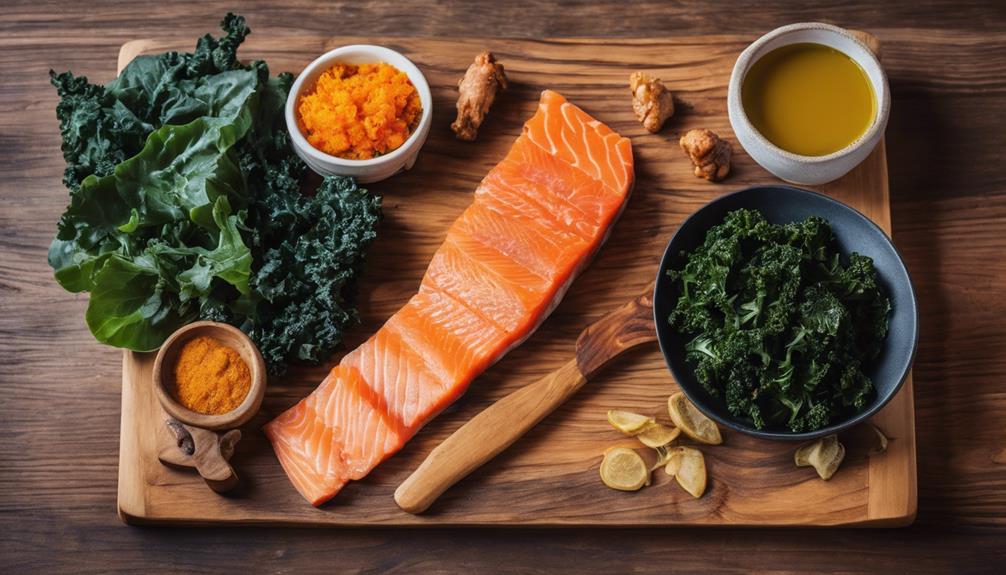
As you're working on nourishing your gut bacteria, it's similarly essential to consume foods that can help repair your gut. This process will not only improve digestion but also boost your overall well-being. Focus on adding probiotic-rich foods to your diet, such as yogurt, kefir, and fermented vegetables like sauerkraut and kimchi. These foods contain live cultures that'll help promote a balanced gut microbiome.
In addition to probiotics, fiber-rich vegetables play a pivotal role in healing your gut. Leafy greens like broccoli, spinach, and kale are rich in fiber, which acts as a prebiotic, feeding the good bacteria in your gut. Other fiber-rich options include carrots, sweet potatoes, and Brussels sprouts. Incorporating these foods into your meals can help create a gut-friendly environment, allowing your gut to function at its best. By combining probiotic-rich foods and fiber-rich vegetables, you'll be taking a significant step towards healing and maintaining a healthy gut. This, in turn, will contribute to a happier, healthier you, and enable you to better serve others.
Lifestyle Changes for Gut Health
Making healthy lifestyle changes can greatly support your gut health endeavor. As you continue on your journey to achieve a balanced gut, it's essential to consider the broader aspects of your lifestyle that can impact your digestive health. By adopting a few simple habits, you can significantly reduce discomfort and improve your overall well-being.
To cultivate a gut-friendly lifestyle, consider the following changes:
- Practice stress-reducing techniques: High levels of stress can negatively impact your gut health, leading to inflammation and discomfort. Engage in activities like meditation, yoga, or deep breathing exercises to help manage stress.
- Prioritize sleep: Improving sleep quality is vital for maintaining a healthy gut. Aim for 7-8 hours of sleep each night to allow your body to repair and rejuvenate.
- Stay hydrated: Drink plenty of water throughout the day to help prevent constipation and keep your digestive system running smoothly.
- Exercise regularly: Engage in moderate physical activity to stimulate digestion, boost mood, and reduce stress levels.
Supplements for Gut Balance
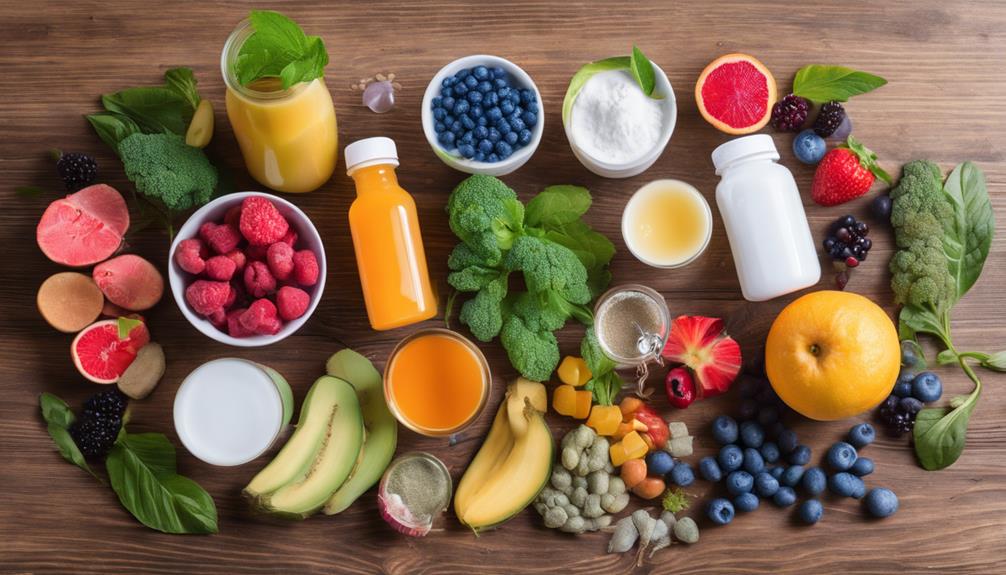
A well-rounded approach to gut health often involves a combination of lifestyle changes and targeted supplements. If you want to support your gut balance, you'll want to explore prebiotic supplements and probiotic diversity. Prebiotics help nourish the good bacteria in your gut, while probiotics introduce new beneficial bacteria.
When choosing a supplement, consider the types of bacteria and the benefits they provide. Here are some examples:
| Probiotic Type | Benefit |
|---|---|
| Bifidobacterium | Supports immune system and digestion |
| Lactobacillus | Aids in digestion and inflammation reduction |
| Saccharomyces | Helps with detoxification and immune system support |
| Streptococcus | Assists in digestion and nutrient absorption |
Look for a probiotic supplement with a diverse range of bacteria to support your gut health. Prebiotics can also be taken in supplement form or consumed through foods like onions, garlic, and asparagus. When choosing a prebiotic supplement, look for one that is resistant to heat, moisture, and stomach acid. This will help the prebiotics reach your gut and support the growth of beneficial bacteria. By incorporating these supplements into your lifestyle changes, you can promote a balanced gut and a happier life.
Frequently Asked Questions
Can Gut Health Affect My Menstrual Cycle?
You may be surprised to learn that your gut health can impact your menstrual cycle. When your gut microbiome is out of balance, it can lead to hormonal imbalances, which can affect your cycle. This can result in irregular cycles, mood swings, and other symptoms. By taking care of your gut, you can help regulate your hormones and get your cycle back on track, leading to a more balanced and healthy you.
How Long Does It Take to Notice Gut Health Improvements?
You're like a gardener tending to a once-barren garden, nurturing it back to life. As you water and care for it, growth is steady, but not instant. Similarly, noticing gut health improvements takes time. You'll likely start to feel the effects within 2-4 weeks, as your gut microbiome adjusts. Expect a faster metabolic rate and improved nutrient absorption, leading to more energy and a stronger sense of well-being, empowering you to serve others more effectively.
Can I Overdo Probiotics and Prebiotics?
When taking probiotics and prebiotics, it's crucial to find a balance. You can overdo it, which might lead to digestive issues. Excessive probiotic intake can cause an imbalance in your gut microbiome. To avoid this, focus on an ideal probiotic dosage, usually around 1-2 billion CFU (colony-forming units) per day. If you're unsure, consult a healthcare professional to find the right mix for your body. They can help you create a personalized plan.
Is It Possible to Have Too Much Good Gut Bacteria?
Having too many beneficial microbes is like having too many cooks in the kitchen – it can be chaotic. Whilst it's unlikely you'll develop severe issues, an overabundance of good gut bacteria can lead to an imbalance. Think of it as a seesaw: too much of one type of bacteria can tip the scale, disrupting the exemplary microbial balance your body aims for. You want harmony, not a takeover.
Can Gut Health Impact Skin Conditions Like Acne?
When you think about skin conditions like acne, you might not immediately consider the role of your gut. Nonetheless, research indicates a robust gut-skin connection. Disruptions in the skin microbiome can be linked to gut health imbalances. You see, the gut and skin are connected through the gut-brain axis, and an imbalance can lead to inflammation, affecting your skin's health. Additionally, by supporting your gut, you may be supporting healthier, clearer skin.