
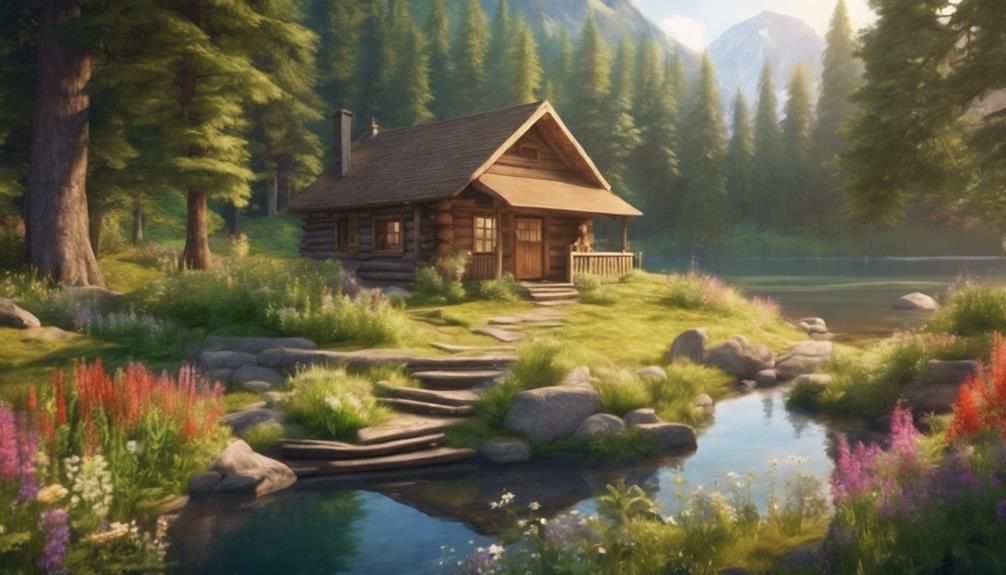
You can create a peaceful retreat by taking a few intentional steps. Start by identifying your serenity triggers, reflecting on past experiences that brought you calm and recognizing sights, sounds, and sensations that soothe your mind and soul. Create a peaceful environment by decluttering and arranging furniture to promote balance and harmony. Set boundaries with technology to minimize distractions, and find solace in nature by appreciating its beauty and incorporating it into your daily life. Cultivate mindfulness practices like quiet reflection and mindful movement to promote inner peace. As you explore these steps, you may just uncover your own tranquil haven.
Identify Your Serenity Triggers
Identify Your Serenity Triggers
A few moments of introspection can go a long way in identifying your serenity triggers – the sights, sounds, and sensations that instantly calm your mind and soothe your soul. To start this introspective exploration, take a few quiet moments to yourself and ask what makes you feel safe and at peace. Reflect on past experiences when you felt a deep sense of calm and consider what triggered that feeling. Was it the sound of ocean waves, the scent of lavender, or the feeling of warm sunlight on your skin?
As you engage in this introspective exploration, pay attention to your thoughts, emotions, and physical sensations. Notice how your body responds to different stimuli and what helps you relax. You might find that nature sounds, gentle music, or soft lighting have a calming effect on you. By recognizing your serenity triggers, you can intentionally incorporate them into your daily life to create a sense of peace and quiet. This self-awareness is crucial in creating a peaceful retreat that nourishes your mind, body, and soul.
Create a Peaceful Environment
To create a peaceful environment that promotes serenity and calm, start by transforming your physical space. Begin by decluttering and organizing your surroundings, as a tidy space can considerably reduce stress. Consider the layout of your room and arrange furniture in a way that creates a sense of balance and harmony.
To modify the lighting ambiance, use soft, warm lighting such as candles or string lights. This can create a cozy and calming atmosphere, helping you to unwind and relax. You can additionally consider installing dimmers or using light bulbs with a low wattage to create a softer glow.
Incorporate calming colors into your space, such as light blue, pale green, or neutral tones. These colors can help to create a sense of calm and serenity, making it easier for you to relax and unwind. Avoid bold or bright colors, as they can be stimulating and disrupt your peaceful environment. By transforming your physical space, you can create a haven that promotes relaxation and tranquility.
Set Boundaries With Technology
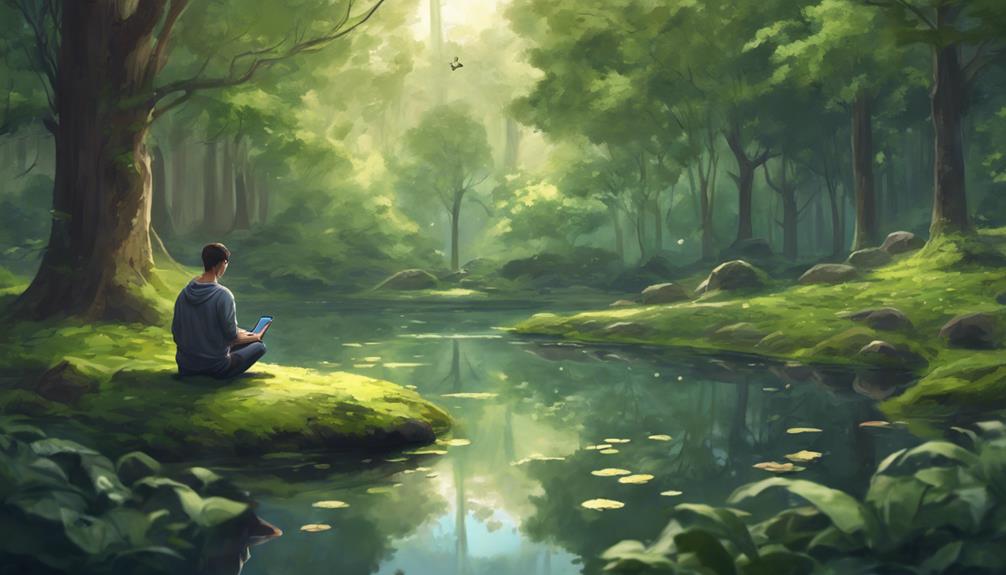
Setting boundaries with technology is crucial for maintaining a peaceful retreat, as constant notifications and distractions can considerably disrupt your serenity. To achieve a peaceful state, it is indispensable to limit your screen time and establish a healthy balance between technology use and downtime. Start by setting specific times for checking emails and social media, and avoid mindless scrolling throughout the day.
Minimize distractions by turning off notifications on your devices, especially during periods of relaxation or meditation. Consider implementing a "no phone zone" in certain areas of your retreat, such as the bedroom or meditation room. This will help you associate these spaces with calmness and tranquility.
Additionally, establish screen-free times, such as during meals or an hour before bedtime. This will allow you to focus on the present moment and engage with your surroundings without the distraction of technology. By setting boundaries with technology, you'll be able to create a peaceful retreat that promotes relaxation, calmness, and inner peace. This, in turn, will help you recharge and feel more centered and grounded.
Find Solace in Nature
Having established a balance between technology use and downtime, you're now better equipped to appreciate the calming effects of nature. It is crucial to find solace in nature to rejuvenate your mind and body. To do this, start by identifying nearby natural spots where you can connect with outdoor elements, such as parks, gardens, or simply your backyard. These areas can provide a sense of peace and tranquility, allowing you to unwind and relax.
As you spend more time in nature, take a moment to appreciate the natural beauty that surrounds you. Notice the colors, textures, and sounds of the environment. Pay attention to the way the sunlight filters through the trees, the sound of birds chirping, or the smell of blooming flowers. By focusing on these elements, you can quiet your mind and feel a deeper connection to the world around you. By doing so, you'll be able to appreciate the serenity that nature provides, and it will become an integral part of your peaceful retreat.
Cultivate Mindfulness Practices
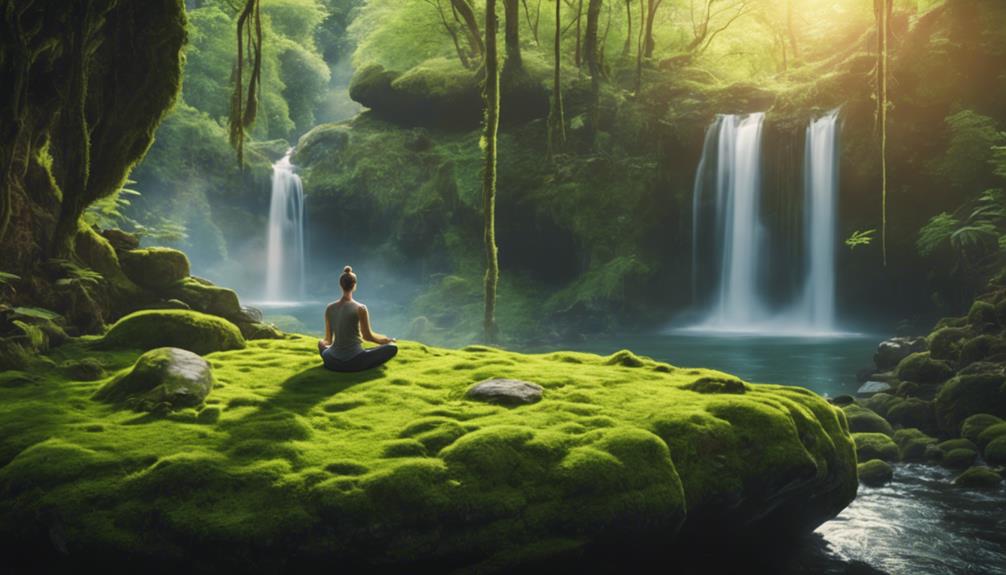
Several mindfulness practices can help you deepen your connection to nature and create a more profound sense of peace. By incorporating these practices into your daily routine, you’ll find it easier to quiet your mind and connect with the world around you. Start by taking a few minutes each day to sit in quiet reflection, focusing on your breath or the sounds of nature. This will help you cultivate mental clarity and prepare you for a deeper connection with the natural world. As you become more attuned to your surroundings, try engaging your senses fully by noticing the colors, textures, and scents in nature. Practicing gratitude for the natural world can also enhance your sense of well-being and reduce stress. Additionally, some mindfulness techniques for chronic pain, such as body scanning and deep breathing, can help you stay present and appreciate the healing benefits of nature.
As you continue on your path to a peaceful retreat, try incorporating mindful movement into your daily routine. This could be as simple as taking a slow, deliberate walk through the woods or practicing yoga on a quiet mountaintop. The key is to focus on the present moment, letting go of worries about the past or future. By doing so, you'll find that you're more grounded and centered, better able to appreciate the beauty of the world around you.
Frequently Asked Questions
How Often Should I Practice Mindfulness to See Results?
Regarding practicing mindfulness, you're probably wondering how often is enough to see results. The key is to establish a consistent practice that you can stick to. Try to set a regular schedule, like daily or a few times a week, and commit to it. Even 10-15 minutes a day can be beneficial. As you make mindfulness a habit, you'll start to notice positive changes in your mental and emotional well-being.
Can a Peaceful Retreat Be Created in a Small Space?
Visualize a serene oasis in the midst of chaos, a haven that envelops you in tranquility. You can create this peaceful escape in even the smallest of spaces. Start by applying small space design principles, such as choosing minimalist decor and multi-functional furniture. Utilize decluttering strategies like the 'one in, one out' rule to keep your space clutter-free. By doing so, you'll craft a safe and calming atmosphere that shields you from life's turmoil.
Are There Any Free Mindfulness Apps Available Online?
You're looking for ways to unwind, and using mindfulness apps can be a great starting point. Luckily, there are many free options available online. You can try apps like Insight Timer or Calm, which offer guided meditation sessions and calming sounds to help you relax. These apps often provide a safe space for you to focus on your breath and calm your mind, making it easier for you to find inner peace.
How Can I Involve Family in My Mindfulness Practice?
You're likely among the 80% of people who value family over personal goals. Involving family in your mindfulness practice can strengthen bonds and create lasting memories. To get started, build family routines that include short meditation sessions or deep breathing exercises before dinner. Incorporate family activities like yoga or nature walks, making mindfulness a fun, shared experience. This way, you can create a sense of calm and connection that benefits everyone's well-being.
Can a Peaceful Retreat Be Created in an Urban Environment?
You can find peace in the city. Creating an urban oasis is possible, even in the midst of noise and chaos. Consider transforming your outdoor space into a serene escape by incorporating urban gardening spaces, such as a rooftop garden or a balcony with lush greenery. Inside, use noise reduction techniques like acoustic panels or white noise machines to block out distractions. This way, you can unwind in a peaceful haven, even in the heart of the city.